

GUIDES
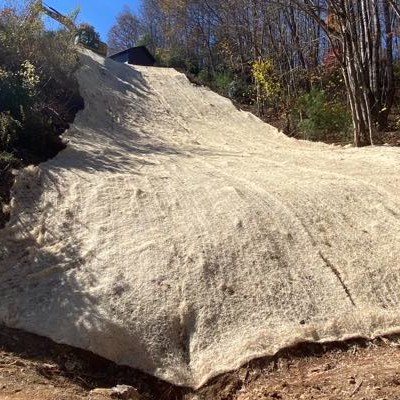
Water is one of the most important forces to understand on mountain property. A slope can appear stable in dry weather but change quickly when heavy rain concentrates runoff into the same path or saturates disturbed soil.
Water moving as a thin sheet across vegetation behaves differently from water collected by a road, roof, ditch or uphill development. Once runoff is concentrated, it can gain speed and cut channels, undermine banks and saturate lower areas.
A diversion ditch or swale is designed primarily to redirect surface runoff. It does not eliminate every groundwater condition. A proper assessment should identify visible runoff paths, seepage, soil conditions and the geometry of the slope before choosing a repair.
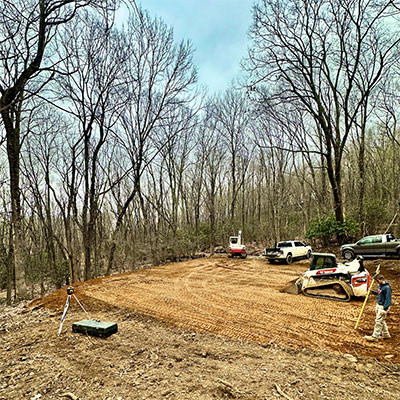
Simply pushing loose soil back onto a failed slope may not address why the material moved. Depending on the site, repair can include reshaping the slope, removing unstable material, building terraces, installing diversion ditches, placing riprap, stabilizing outlets and applying seed and erosion-control matting.
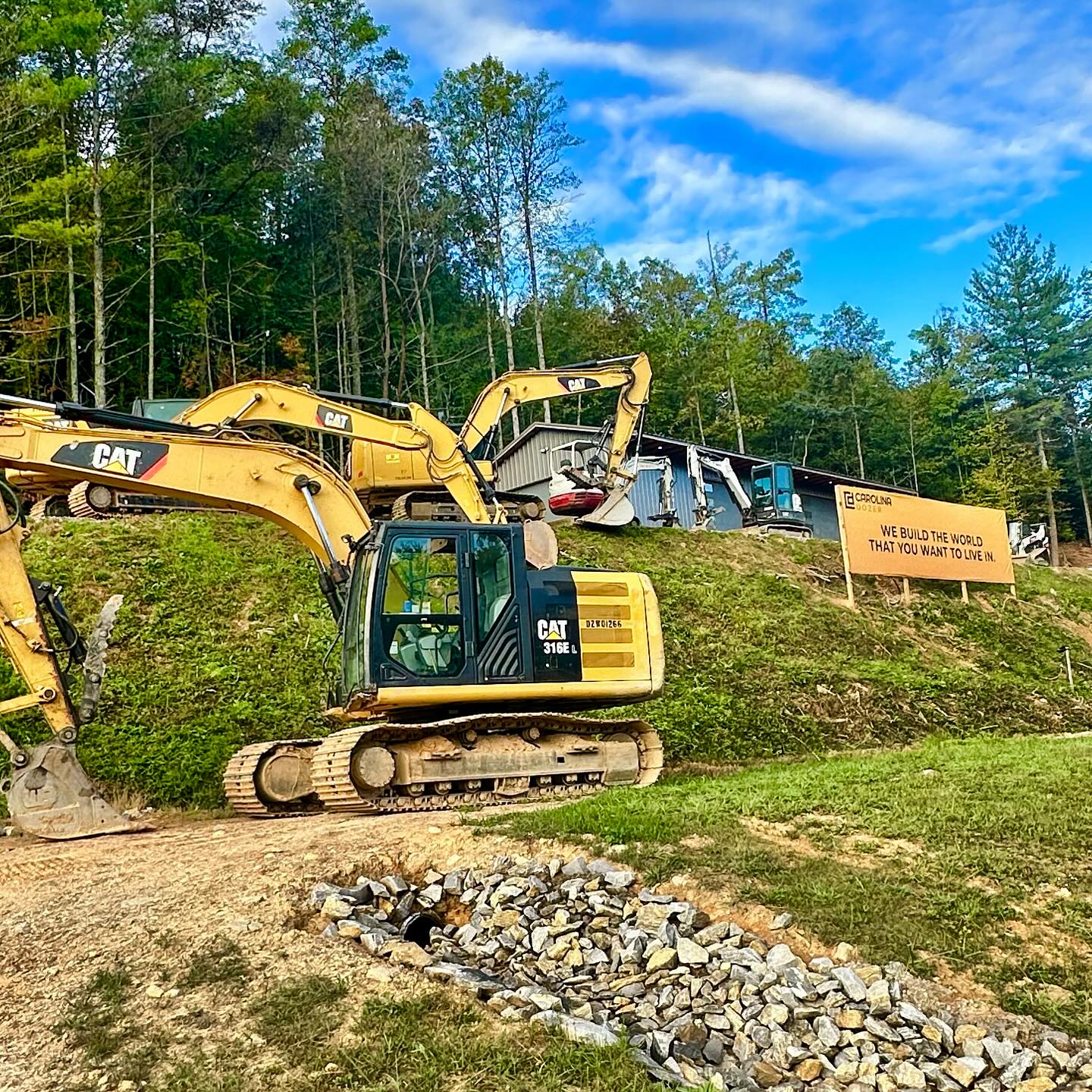
Carolina Dozer provides landslide repair and stabilization, grading and terraces and riverbank or erosion work throughout Western North Carolina.
New cracks, leaning trees, fresh soil movement, muddy seepage, rapidly deepening washouts and changing drainage paths should be evaluated promptly. Significant slope movement can involve engineering considerations beyond ordinary grading.
See local slope and drainage work in West Jefferson, Newland and Deep Gap.
GUIDES


.jpg)