

GUIDES
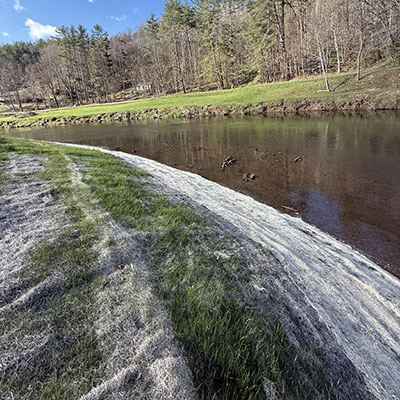
Stone is often used to protect soil where moving water would otherwise cause erosion, but stone size and placement should match the energy of the water and the shape of the site.
Riprap generally refers to larger angular stone placed on banks, outlets, channels or other erosion-prone areas. The larger mass helps resist movement from concentrated runoff or flowing water. It is commonly used for bank reinforcement, culvert outlets, creek approaches and steep drainage areas.
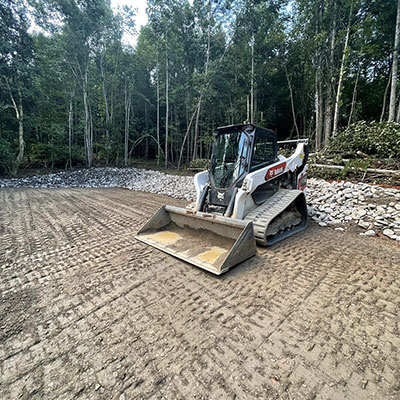
Clean stone such as #57 or larger clean aggregate has less fine material and can be useful for drainage layers, smaller channels, access areas and applications where water needs to move through the stone. Smaller aggregate is easier to grade but may not resist high-velocity flow as well as larger riprap.
Dumping stone on loose, actively eroding soil may not create a lasting repair. The bank or ditch often needs to be shaped first, and some applications may benefit from appropriate separation or erosion-control materials. Water also needs a stable entrance and exit so the stone does not simply move the erosion problem farther downstream.
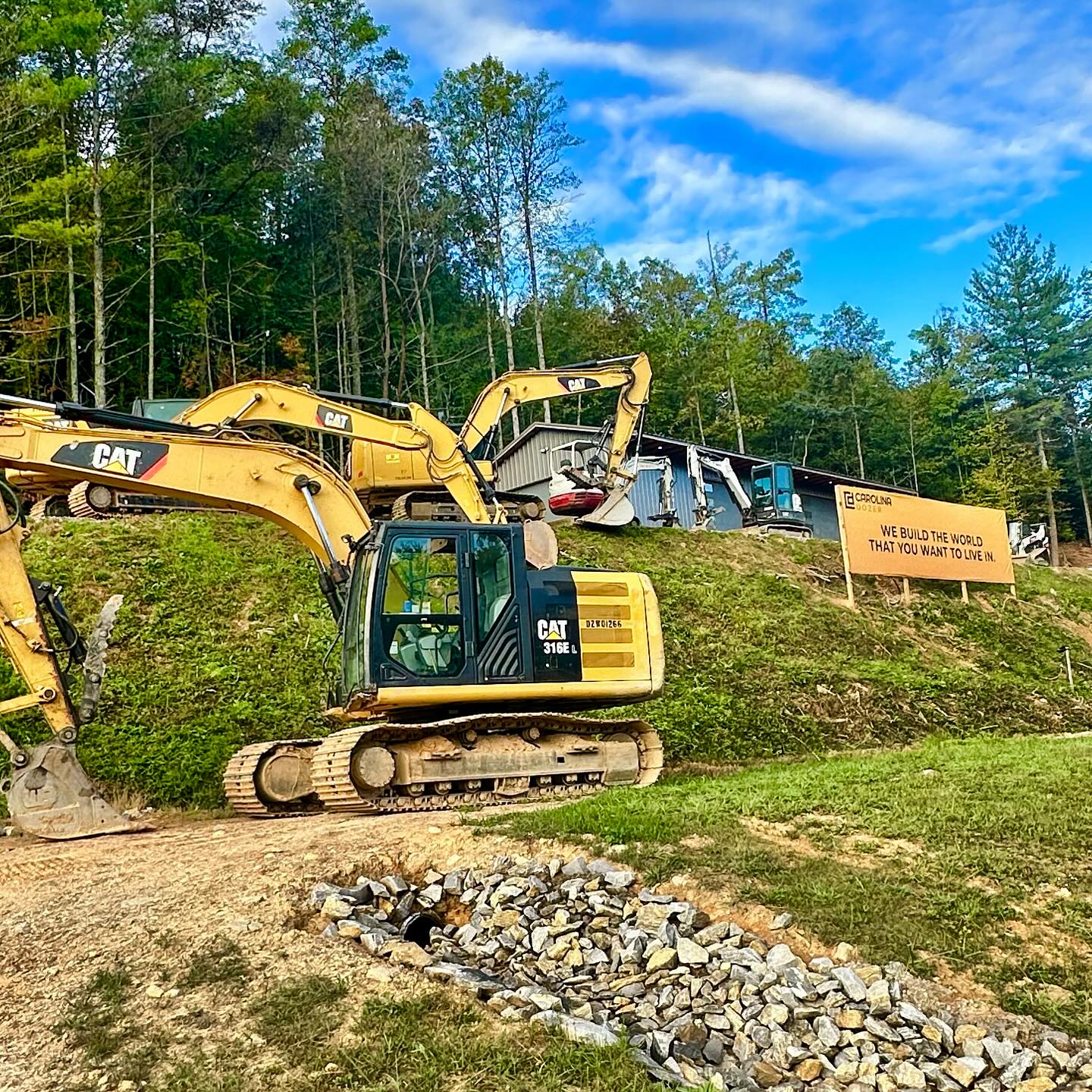
Carolina Dozer provides riverbank reclamation, erosion repair, drainage grading and stone placement. The right solution depends on slope, soil, water volume, access and the location of the outlet.
For mountain erosion work, see our service areas in Newland, West Jefferson and Ferguson.
GUIDES


.jpg)